The Peculiar Politics of Hospitals
The Host
Republicans and Democrats on the House Ways and Means Committee had strong words for hospital CEOs about their prices at a hearing this week. But it remains unclear whether they will follow up their words with actions to force prices down.
Meanwhile, in a rare bit of positive health policy news, a study of the first two years of the new 988 suicide prevention hotline shows it reduced suicides among young people, and more so in states that fielded more calls.
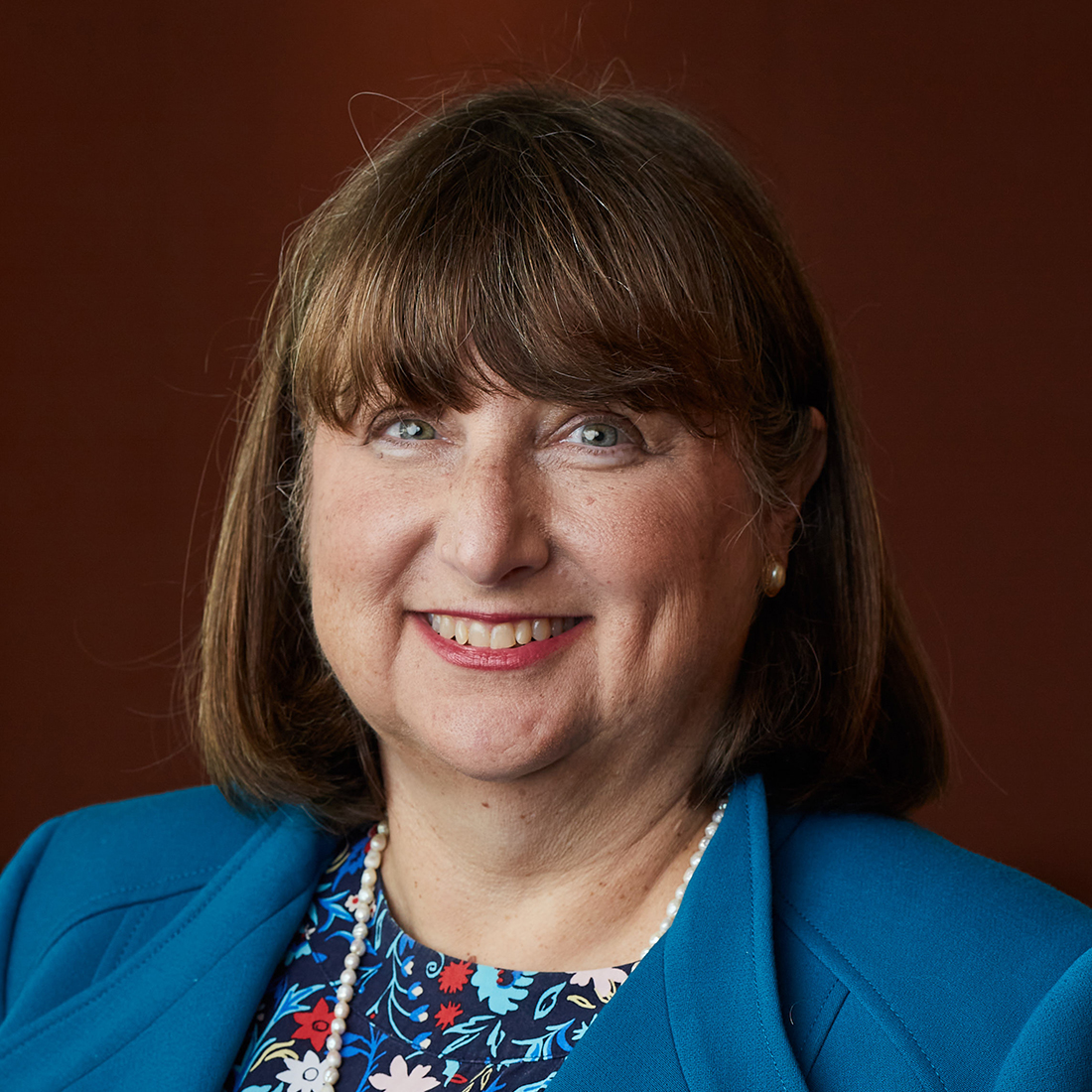
This week’s panelists are Julie Rovner of KFF Health News, Joanne Kenen of the Johns Hopkins Bloomberg School of Public Health and Politico Magazine, Shefali Luthra of The 19th, and Rachel Roubein of The Washington Post.
Among the takeaways from this week’s episode:
- Hospitals have long been the most sacrosanct of healthcare stakeholders to politicians, partly because every member of Congress has at least one in their district. Hospitals are often major employers and have a powerful lobbying presence. So it was notable that members of Congress from both parties were willing to criticize hospital CEOs strongly at a hearing to examine hospital prices.
- The Supreme Court heard arguments this week about labeling for the controversial pesticide glyphosate, which may or may not cause or contribute to cancers. The issue divides the Make America Healthy Again movement, which sees the Trump administration’s support of the Environmental Protection Agency’s conclusion that the product is not carcinogenic as a political betrayal.
- A study demonstrating the effectiveness of the national 988 suicide prevention hotline in reducing youth suicide is a bit of good news stemming from a rare bipartisan effort to address a serious problem.
- Another pair of studies this week suggest that the Trump administration’s delay of the recommended birth dose of the vaccine to prevent hepatitis B could increase the number of cases of the disease and cost millions more in health spending to treat its complications.

Plus for “extra credit” the panelists suggest health policy stories they read this week they think you should read, too:
Julie Rovner: The New York Times’ “While Advising Kennedy, Top Aide Had More Than $25 Million Stake in Wellness Company,” by Christina Jewett and Benjamin Mueller.
Joanne Kenen: ProPublica’s “Unfounded Health Concerns Are Powering a Solar Backlash,” by Anna Clark.
Rachel Roubein: KFF Health News’ “Big Companies Position Themselves for Payday from $50B Federal Rural Health Fund,” by Sarah Jane Tribble.
Shefali Luthra: The Atlantic and KFF Health News’ “A ‘Barbaric’ Problem in American Hospitals Is Only Getting Bigger,” by Elisabeth Rosenthal.
Also mentioned in this week’s podcast:
- KFF’s “KFF Health Tracking Poll: Health Care Costs and the Midterms,” by Audrey Kearney, Mardet Mulugeta, Alex Montero, Isabelle Valdes, Lunna Lopes, and Ashley Kirzinger.
- KFF’s “Reaching Voters on Health,” by Drew Altman.
- JAMA’s “Suicide Mortality Among Adolescents and Young Adults After Launch of a Suicide and Crisis Lifeline,” by Vishal R. Patel; Michael Liu; and Anupam B. Jena.
- JAMA Pediatrics’ “Economic Impact of Delaying the Infant Hepatitis B Vaccination Schedule,” by Eric W. Hall; Prabhu Gounder, Heather Bradley, and Noele P. Nelson.
- JAMA Pediatrics’ “Impact of Removing the Universal Hepatitis B Birth-Dose Vaccination in the US,” by Margaret L. Lind, Matt D.T. Hitchings, Roshni P. Singh, Benjamin P. Linas, Derek A.T. Cummings, and Rachel L. Epstein.
Click here to find all our podcasts.
And subscribe to “What the Health? From KFF Health News” on Apple Podcasts, Spotify, the NPR app, YouTube, Pocket Casts, or wherever you listen to podcasts.