TN chief minister Stalin seeks PM’s intervention to help State’s manufacturing amid US tariffs
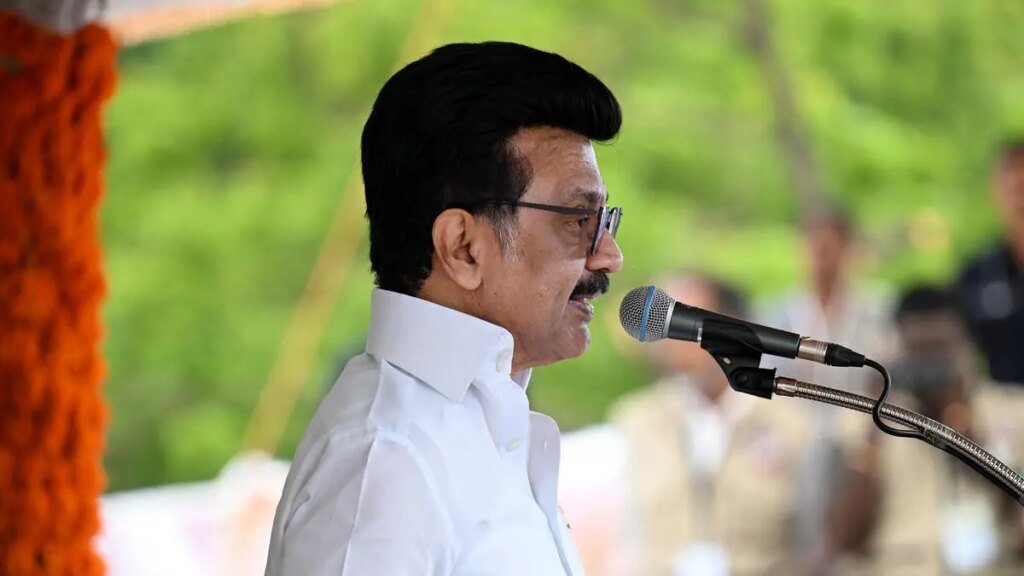
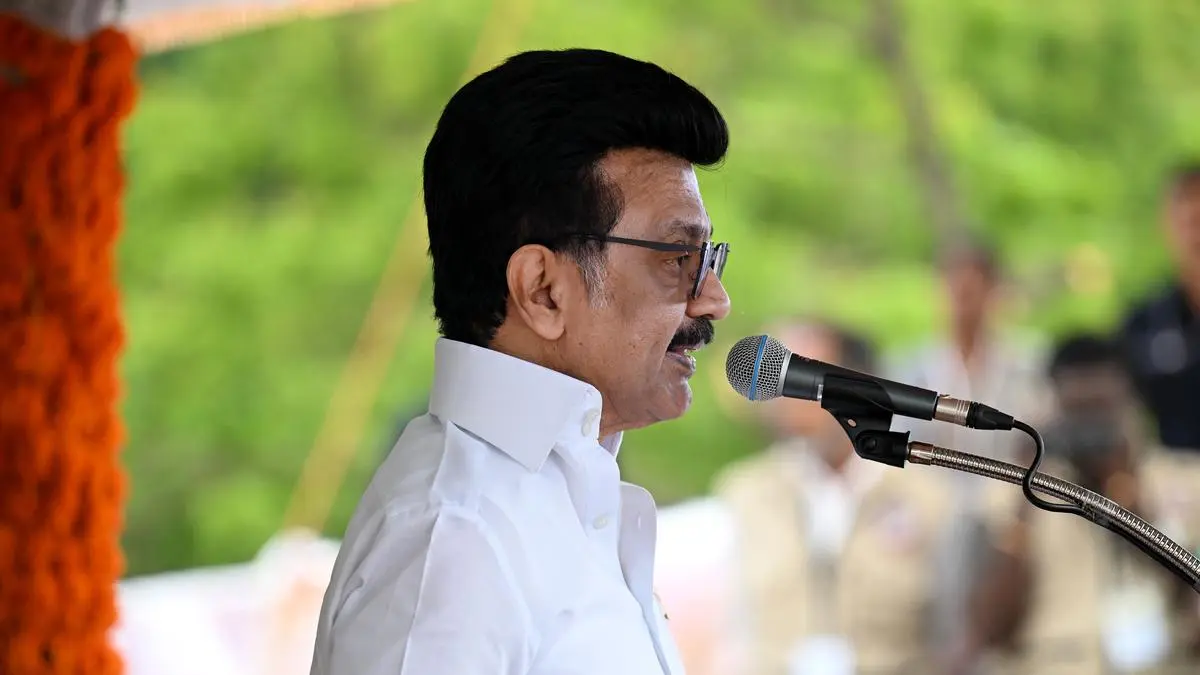
Tamil Nadu Chief Minister M K Stalin
| Photo Credit:
JOTHI RAMALINGAM B
Tamil Nadu’s thriving manufacturing sector is facing a crisis unlike any seen before, threatening millions of livelihoods across various sectors due to the US tariff on imports from India. Tamil Nadu Chief Minister MK Stalin requested Prime Minister Narendra Modi’s urgent intervention in this matter, in consultation with the relevant ministries and industry stakeholders.
To provide immediate relief, the Centre needs to consider introducing a special interest subvention scheme for all exporters affected by tariffs to improve liquidity and reduce cost burdens and also accelerate Free Trade Agreements and bilateral arrangements to offset high-tariff market risks, he said.
In the letter to the Prime Minister on Saturday, the Chief Minister assured him the State’s full cooperation in implementing all necessary measures to navigate this trade predicament. “We appreciate the efforts by the Union Government to achieve a mutually beneficial trade agreement between India and the US and fully support our position to defend national interests,” he said in the letter.
Tamil Nadu faces severe implications due to the current 25 per cent tariff and its potential escalation to 50 per cent. In the last financial year, while 20 per cent of India’s total goods exports of $434 billion were to the US, 31 per cent of Tamil Nadu’s $52 billion goods exports went there. This higher dependency on the US market clearly implies that tariff impact on Tamil Nadu will be disproportionately greater than for most other Indian states. Hence, this tariff has significant implications for Tamil Nadu’s manufacturing sector and employment scenario, said Stalin.
The most affected sectors are textiles, apparels, machinery, auto components, gems and jewellery, leather, footwear, marine products and chemicals. What’s even more concerning is that all these sectors are labour-intensive, wherein any export slowdown will quickly result in mass layoffs, he said.
Tamil Nadu accounted for 28 per cent of India’s textile exports in 2024-2025, the largest contributor among all Indian states. Especially, our textile sector employs nearly 75 lakh people and with a 25 per cent tariff and a proposed 50 per cent tariff, an estimated 30 lakh jobs are at immediate risk. To mitigate this crisis, it is essential to address structural issues that have long hindered our export competitiveness, said Stalin in the letter.
Stalin said extensive consultations with the industry associations from the affected sectors, it is evident that the textile sector urgently needs support in two aspects – correction of the GST inverted duty structure for the man-made fiber value chain, by bringing the entire chain under a 5 per cent GST slab and exemption of import duty on all varieties of cotton.
In addition, the industry seeks extension of 30 per cent collateral-free loans under the ECLGS with a 5 per cent interest subvention and a two-year moratorium on principal repayment, along with enhancing RoDTEP benefits to 5 per cent, extending pre- and post-shipment credit to all textile exports, including yarn, was also highlighted as an important step to strengthen our export competitiveness, he said.
Similar challenges are being faced by other sectors due to tariff impacts and competitive pressures in global trade.
Considering the scale of the problem, a special financial relief package including a moratorium on principal repayment, similar to the one implemented during the COVID period is necessary to support our exporters. “We look forward to such an initiative at the national level like the one from the Brazil government which has announced tax deferrals and tax credits to exporters,” Stalin said.
Published on August 16, 2025