Explained: From Nuclear Threats To BLA Ban, How Trump’s Five Big Gifts To Pakistan Advanced Asim Munir’s Anti-India Agenda | World News
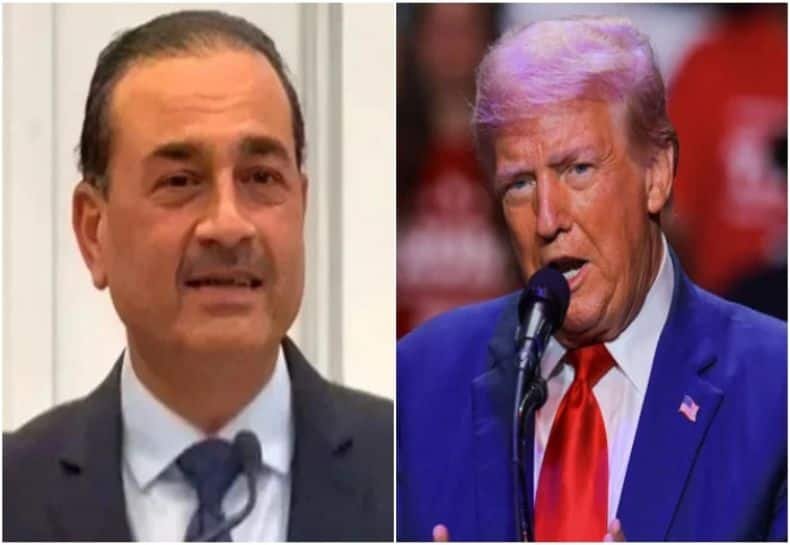
New Delhi: In what many are calling a masterclass in diplomatic manipulation, Pakistan’s Chief of Army Staff Field Marshal Asim Munir returned from the United States with a basket of concessions that critics say not only embolden Islamabad’s anti-India agenda but also expose America’s dangerous willingness to overlook hard truths for short-term geopolitical gains.
Cloaked in the language of “bilateral cooperation”, the visit has delivered a series of outcomes that tilt heavily in Pakistan’s favour.
Munir secured a renewed U.S.-Pakistan defence cooperation framework, which effectively unlocks military training programmes, technology sharing and equipment maintenance deals that could bolster Pakistan’s military capabilities at a time when its generals continue to fuel instability in the region.
Washington reportedly promised a softening of International Monetary Fund (IMF) conditionalities for Pakistan’s next loan tranche, a move critics say rewards financial mismanagement and encourages dependency on external bailouts. The United States push at the IMF also came without any clear accountability mechanism for Pakistan’s military-led economic blunders.
Intelligence-sharing arrangements have been expanded under the pretext of “counterterrorism coordination”, potentially giving Pakistan leverage to filter or manipulate intelligence flows in ways that suit its regional ambitions. This expansion comes despite decades of evidence linking Pakistan’s deep state to the very terrorist networks it claims to combat.
Munir appears to have convinced the Donald Trump-led administration to step back from pressing Pakistan on its human rights violations, especially the military’s crackdown on political opponents and its stifling of dissent in Balochistan, Sindh and Khyber Pakhtunkhwa.
Perhaps most alarming, the United States has signalled support for certain Pakistani diplomatic manoeuvres at multilateral forums, including blocking or slowing India-backed initiatives critical of Islamabad.
This comes at a time when Munir has been issuing veiled nuclear threats to India, a reckless posture that Washington has chosen to sidestep rather than condemn. Even more concerning is the Trump administration’s designation of the Baloch Liberation Army (BLA) as a terrorist organisation.
The move, critics say, plays directly into Islamabad’s narrative while ignoring the legitimate grievances of the Baloch people.
For India, the outcomes are nothing short of a warning. Pakistan has walked away with strategic, economic and diplomatic wins without conceding anything on terrorism, nuclear sabre-rattling or regional stability.
And for the United States, it is another chapter in a familiar story: trading long-term security for short-term geopolitical gains.