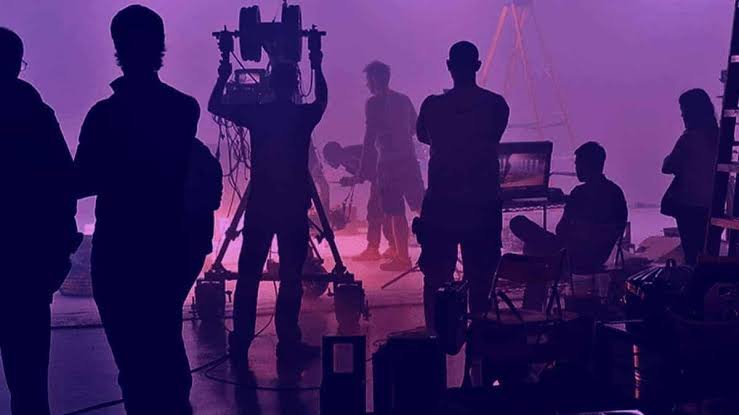
The Telugu film industry has been hit hard by a strike called by the Telugu Film Industry Employees Federation over a wage hike demand, while producers continue negotiations to resolve the stalemate.
The industry boasts some of the biggest stars in Indian cinema — Chiranjeevi, Prabhas, Allu Arjun, Jr NTR, Ram Charan and others — each charging anywhere between ₹80 to ₹120 crore per film. Top directors like Sukumar, Boyapati Srinu, Gopichand Malineni, and Harish Shankar reportedly draw ₹25 to ₹40 crore per project, while actresses are paid up to ₹1 crore for a single item number.
In contrast, daily wages for film workers in various unions range from ₹1,250 to ₹3,500. Producers are reluctant to agree to the 30% hike demanded for these workers who are both skilled and unskilled.
“Bringing superstar salaries into comparison with worker wages is unfortunate and unwarranted,” says producer B.V.S.N. Prasad. “These stars began their careers earning just a few lakhs and reached their current positions due to hard work, professionalism, and talent. It wasn’t an overnight success. For instance, would you compare a CEO’s salary with that of an office boy in the same company? Everyone is paid according to their talent and the nature of their work. I’m not saying production boys work less, but the salary comparison doesn’t hold water in a professional arena. We pay more than Chennai or Kerala.”
Producers argue that many unions are already doing well, and that the real focus should be on low-paid workers. They also point out that the industry is facing severe financial strain: OTT rights and Hindi dubbing rates have dropped, and theatre audiences have thinned over the last two years. “The person investing the money is in the doldrums,” Prasad adds. “The timing of this strike is the biggest problem. Demanding a 30% hike when the industry itself is in turmoil has only prolonged the stalemate.”
To break the deadlock, producers proposed a gradual wage hike: Workers earning below ₹2,000 per day: an immediate increase of 15% and followed by 2.5% for the second and third year. While workers who earn below ₹1,000 per day get a 20% hike in the first year, with an additional 5% in subsequent years.
However, federation members rejected the offer outright on Saturday night, with some alleging that the move was meant to “divide the union.”
However, director Veera Shankar, chairman of the coordination committee from the federation’s side, said, “Some federation members believe that selection is meant to divide the union and are raising objections. Our discussions have been fruitful with producers, and 80% of our demands have been approved by producers, and the remaining will happen soon. Of course, workers would be expressing their anger and holding meetings. But things will soon fall into place, and we found an amicable solution. Producers believe that some workers are comfortable, but those in the lower brackets are suffering. We’re hopeful of resolving this crisis in the days to come.”